A realistic week-by-week guide to recovery after gastric sleeve surgery โ from your first day in hospital to month three at home.
Recovery from gastric sleeve surgery is not a single event โ it is a gradual process that unfolds over several weeks. Understanding what to expect at each stage helps patients prepare practically and emotionally, and reduces unnecessary anxiety.
The timeline below is a general guide. Individual experiences vary. Always follow the specific guidance given by your surgical team.
You wake in the hospital ward after surgery. The nursing team monitors your vital signs, manages pain with prescribed medication and maintains your hydration via IV drip. You will be encouraged to take small sips of water.
A leak test is performed โ typically a contrast swallow test โ to confirm that the surgical staple line is secure before any oral intake is progressed. Gentle movement in the ward is encouraged to reduce the risk of blood clots.
If the medical team is satisfied with your recovery, you move from hospital to the hotel. You will be on a clear fluid diet โ thin liquids sipped slowly throughout the day. Carbonated drinks must be avoided.
Before checking out, you receive written discharge instructions and your personalised diet plan. The team briefs you on what to monitor during your flight home and who to contact if you have concerns.
The first two weeks at home are primarily about rest and hydration. Fatigue is normal and expected. Your diet remains restricted to fluids and then progresses to smooth pureed foods as directed.
Staying hydrated is the single most important task during this period โ sipping water consistently throughout the day, targeting at least 1.5 litres. Protein intake begins via protein shakes or smooth soups.
Energy levels typically begin to improve during weeks 3โ4. Diet progresses from pureed to soft foods โ small, moist, protein-first portions eaten slowly. Most patients can return to desk-based work around weeks 2โ3.
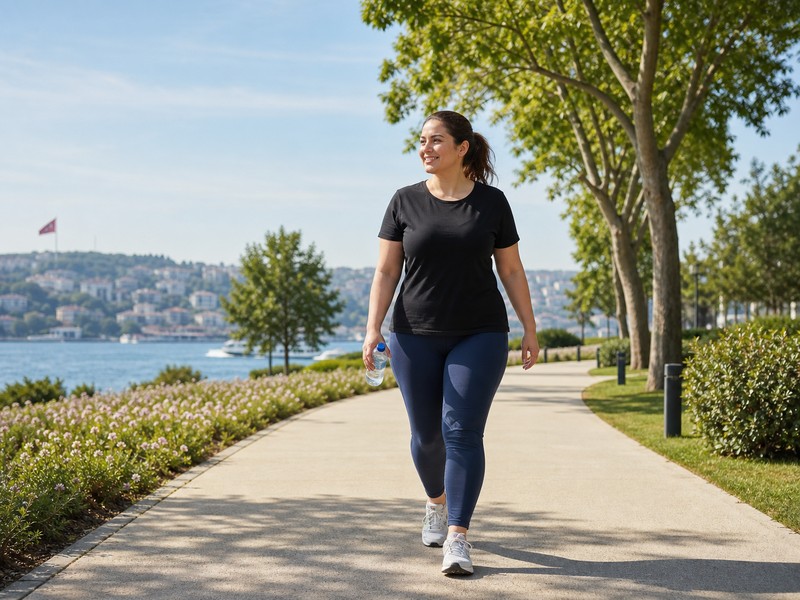
Light walking is actively encouraged. More vigorous exercise should wait until the surgical team confirms it is appropriate, typically from around week 4โ6.
By month two, most patients are transitioning toward a regular diet with significantly reduced portion sizes. Protein remains a priority at every meal. Structured exercise can typically begin. Some patients notice hair thinning during this period โ this is common and temporary, related to the body's nutritional adjustment.
Recovery consolidates over the first year. Sustained weight changes depend on consistency with dietary habits, regular activity and follow-up. Annual blood tests and nutritional monitoring are recommended.
Vitamin and mineral supplementation โ typically including vitamin B12, vitamin D, calcium and a multivitamin โ should be maintained long-term as absorption is affected by the reduced stomach size.
Most post-operative discomfort is expected and manageable. However, the following symptoms warrant prompt medical attention: